
My family sold security cameras for a living. Boxes. Pallets. Container loads.
So take it from a hardware kid: the box is dying as a business model.

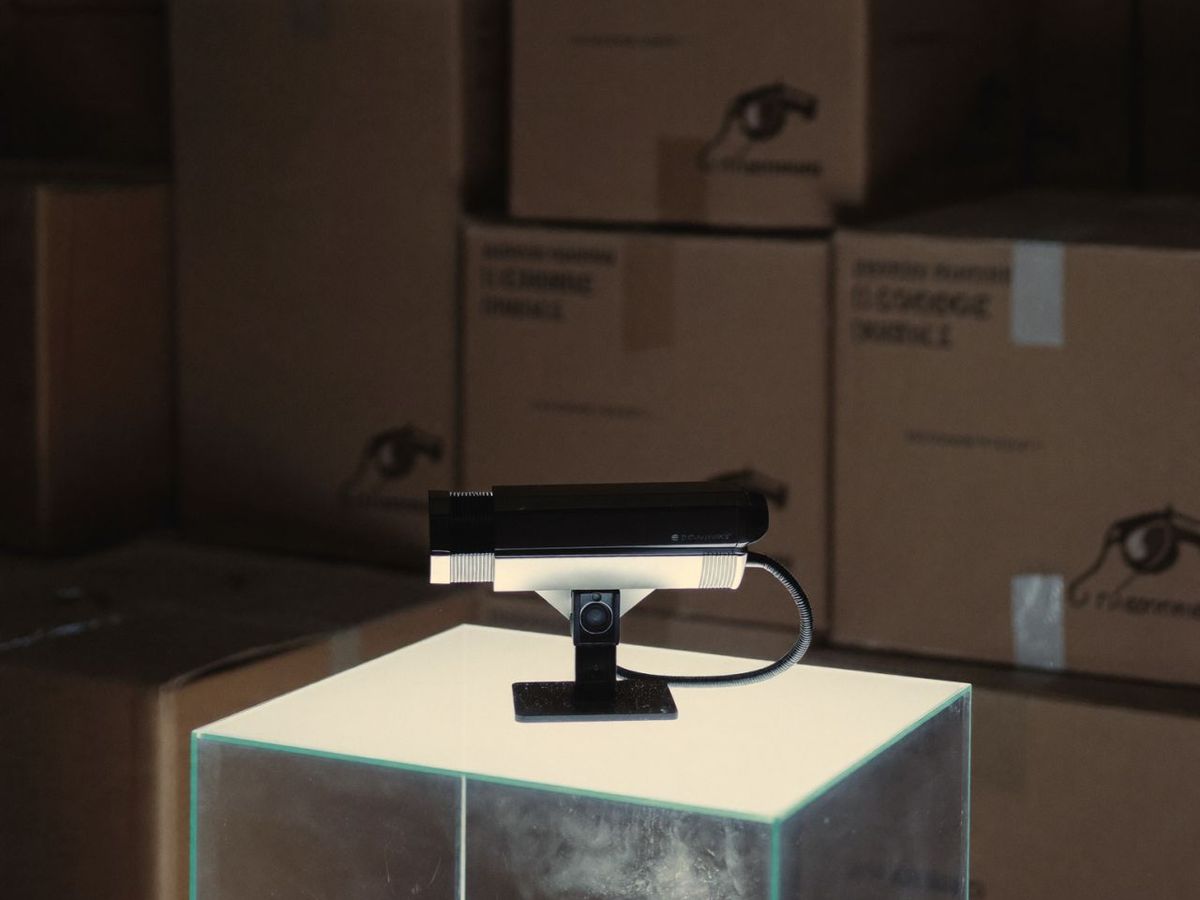
My family sold security cameras for a living. Boxes. Pallets. Container loads.
So take it from a hardware kid: the box is dying as a business model.
The executive chairman of one of the industry's fastest growing video companies said it out loud this month. Modern video systems have "a shelf life of a couple of years." IPVM pushed back, and both are right. The steel lasts 5 to 10 years. The software inside ages like milk.
Now think about what that does to your customer. Every install hands them a depreciating asset with a countdown clock. Nobody buys cameras to manage technology risk. They buy them to feel safe.
That gap is the opportunity. One monthly number: cameras, monitoring, maintenance, upgrades. The operator absorbs obsolescence. The customer gets an outcome that never goes end-of-life.
The prize for getting it right is not small. Install revenue sells for pennies at exit. Recurring revenue sells for a multiple. Same trucks. Same techs. Different company.
And here's the thing: security has always been about industrializing trust. The product might have changed from detective agencies to digital cameras, but the job hasn't. When you shift from selling boxes to selling outcomes, you're finally delivering what customers actually wanted all along.
What's your install-to-recurring split today? That ratio is your valuation.
Recurring revenue isn't just a better business model. It's a better customer experience. And in the security monitoring space, that's what separates companies that get acquired from companies that get forgotten.
Take a hard look at your numbers. The split between install and recurring revenue tells you exactly where you stand. Start shifting that ratio today.